

October 26, 2026
Skin Tag Removal in Meridian, ID: What You Should Know
At a Glance: What to Know About Skin Tags
- Skin tags are common skin growths that often develop in areas where skin rubs against skin, clothing, or jewelry.
- They frequently appear in skin folds, including the neck, underarms, groin, and beneath the breasts.
- A dermatologist can evaluate an unfamiliar growth to determine what it is before discussing removal.
- New, changing, bleeding, or unusual growths deserve professional attention rather than an at-home diagnosis.
You find a little bump on your neck, or maybe there’s one under your arm that keeps catching when you get dressed. You’re pretty sure it’s a skin tag, but then the questions start.
Has it always been there? When did it suddenly show up? And, perhaps most importantly, can you get rid of it?
Skin tags are extremely common, and many people develop them at some point. Still, plenty of different skin growths can look similar at first glance. Knowing a few basics about skin tags can help you understand why they appear, while a dermatologist can help determine exactly what you’re looking for and whether removal makes sense.
What Are Skin Tags and Where Do They Come From?
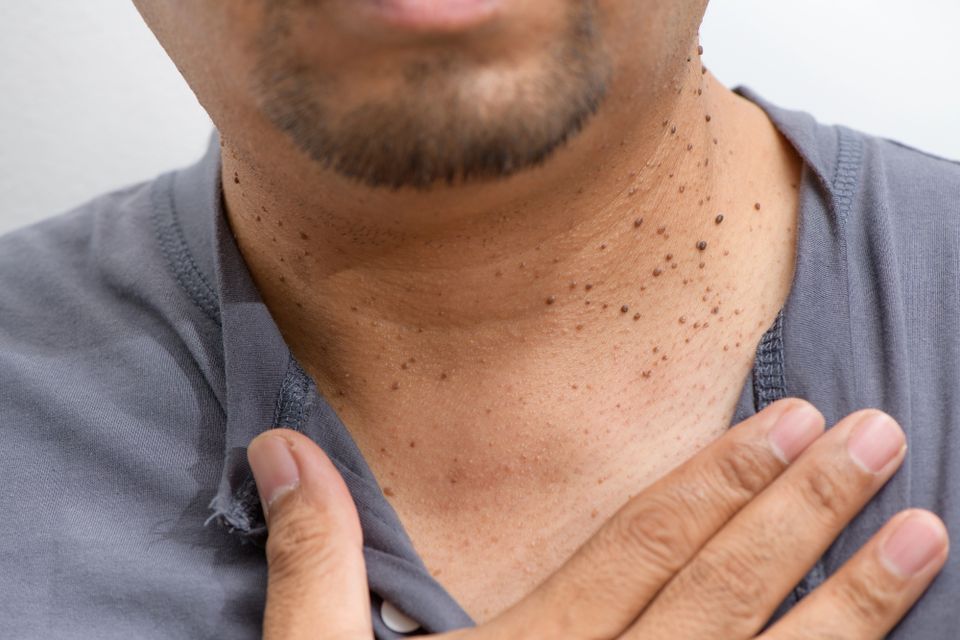
Skin tags, medically known as acrochordons, are small growths that extend from the skin's surface. They may be flesh-colored or slightly darker than the surrounding skin and often have a soft texture. Some are barely noticeable, while others become larger or hang from a small stalk of tissue.
Skin tags commonly develop in places where there is frequent friction or skin-to-skin contact. You may notice them around the:
Because these are areas that regularly come into contact with clothing, necklaces, straps, or other sources of friction, a skin tag can become surprisingly annoying for something so small.
Skin tags commonly develop in places where there is frequent friction or skin-to-skin contact. You may notice them around the:
- Neck
- Underarms
- Eyelids
- Groin
- Upper chest
- Beneath the breasts
- Other skin folds
Because these are areas that regularly come into contact with clothing, necklaces, straps, or other sources of friction, a skin tag can become surprisingly annoying for something so small.
Why Do Skin Tags Develop?
There isn’t always one clear explanation for why a particular skin tag develops. Friction appears to play a role, which helps explain why they tend to show up in skin folds and other areas where skin frequently rubs.
Skin tags also become more common with age, and some people simply seem more prone to developing them than others. Additional factors may be associated with the development of skin tags, but seeing one does not tell you why it formed or indicate an underlying condition by itself. A dermatologist can look at the growth in the context of your skin and medical history if there is any reason for concern. Sometimes the answer really is as simple as our bodies grow weird little things.
Is It a Skin Tag or Another Type of Skin Growth?
This is where a quick internet search can get tricky. Moles, warts, seborrheic keratoses, and other skin growths can sometimes share characteristics with skin tags. Photos online also don’t account for differences in color, texture, size, or the way an individual growth has changed over time.
Professional evaluations are especially useful when you aren’t sure what you’re looking at. A dermatologist can examine the area and determine what type of growth it is. If something looks unusual or requires further evaluation, your provider can recommend the appropriate next step.
Pay attention to what is normal for your skin and bring unfamiliar or concerning changes to someone trained to evaluate them.
When Should Skin Growth Be Checked by a Dermatologist?
A familiar, unchanged skin tag may not be something you think about very often. A new or changing growth deserves a little more attention. Consider scheduling a dermatologist skin growth evaluation if you notice a spot that:
These characteristics don’t automatically tell you that something serious is happening. They simply give your dermatologist useful reasons to take a closer look.
If you’re staring at a bump thinking, I don’t remember that being there, an appointment can give you a much more reliable answer than comparing it with pictures online.
- Changes noticeably in size, shape, or color
- Bleeds without an obvious reason
- Develops a sore or does not seem to heal
- Becomes persistently painful or irritated
- Looks noticeably different from your other skin growths
- Appears suddenly and you’re unsure what it is
These characteristics don’t automatically tell you that something serious is happening. They simply give your dermatologist useful reasons to take a closer look.
If you’re staring at a bump thinking, I don’t remember that being there, an appointment can give you a much more reliable answer than comparing it with pictures online.
When Does Skin Tag Removal Make Sense?
Once a dermatologist has identified a growth as a skin tag, it may not require treatment at all.
Plenty of people leave skin tags alone. Others choose removal because of where the tag is located or how often it gets irritated.
Professional skin tag removal in Meridian may be worth discussing when a tag:
That last reason counts too. A skin tag doesn't have to cause a medical problem for you to ask about having it removed.
Plenty of people leave skin tags alone. Others choose removal because of where the tag is located or how often it gets irritated.
Professional skin tag removal in Meridian may be worth discussing when a tag:
- Frequently catches on clothing or jewelry
- Gets irritated by shaving
- Rubs against nearby skin
- Becomes uncomfortable during everyday activities
- Is located somewhere particularly bothersome
- Causes a cosmetic concern for you
That last reason counts too. A skin tag doesn't have to cause a medical problem for you to ask about having it removed.
Schedule a Skin Growth Evaluation In Meridian, ID
Most of us collect a few new spots, bumps, and marks as the years go by. Some become familiar enough that we barely notice them. Others seem to appear out of nowhere and immediately earn a spot on the mental list of things I should probably ask someone about.
You don't need to figure out exactly what a growth is before making that appointment.
Mountain Pine Dermatology provides medical dermatology care for skin tags and a wide range of other skin concerns. If you have a new growth, an irritated skin tag, or a spot you're simply unsure about, our dermatology team can examine it and discuss appropriate next steps.
For skin tag removal in Meridian, ID, or to schedule a professional skin growth evaluation, call Mountain Pine Dermatology at (208) 898-7467 or request an appointment online.
Call us at 208-898-7467
to schedule your consultation at an office near you. Besides our main office in Meridian, we have offices in Emmett, Caldwell, Mountain Home, and Baker City, OR.